
With the real estate and property management industry changing rapidly, tracking the performance of your sales is no longer an option; it's a necessity. In a world where competition is fierce and customers have higher expectations than ever, property companies are adopting sophisticated Customer Relationship Management (CRM) solutions to provide them with an accurate and immediate view of their sales. These systems are changing the way sales managers track, assess, and enhance team performance.
The trend is clearly moving towards real-time sales monitoring.
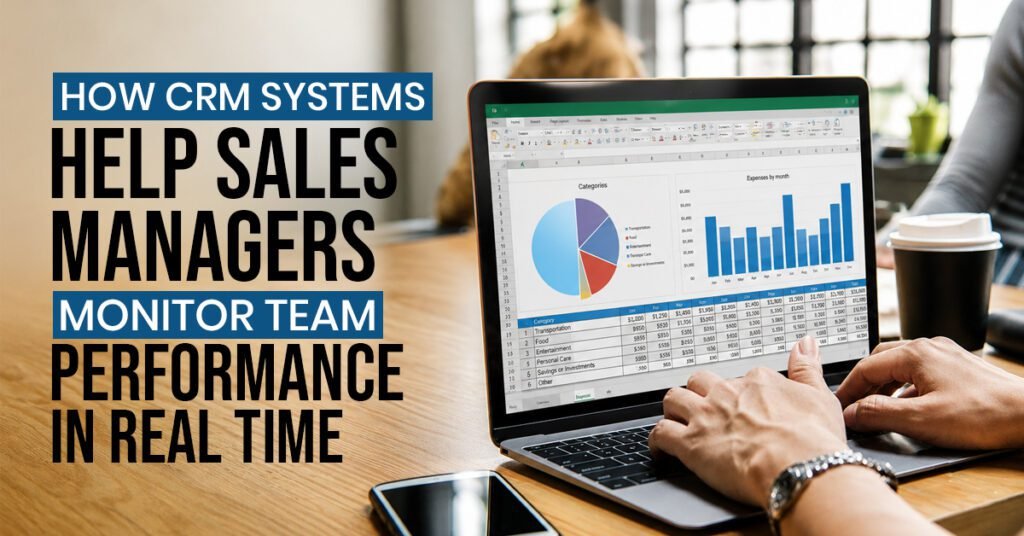
Historically, sales managers used to be able to monitor team activity through periodic reports, spreadsheet tracking, and manual updates. This invariably led to slower insights, lost opportunities and inefficient decision making. These gaps are no longer an issue with modern property CRM software as it equips you with real-time dashboards that give you immediate access to KPIs.
The sales manager can now monitor property enquiries, follow-up, property conversions and deal closures in real time. This real time visibility allows prompt action if performance decreases and allows you to see which agents are successful and could become a benchmark for the others.
Ensuring that data is gathered and shared centrally for better decision making.Centralization of data for better decision making.
CRM benefits
One of the best benefits of CRM in property companies is the ability to have their information consolidated. Every interaction with customers, property listing and sales are recorded in one place. This enables managers to review trends, accurately gauge team productivity, and predict future sales with greater accuracy.
For instance, say a specific property is getting a lot of inquiries and not so many conversions, the CRM system can point it out. This can then help the manager determine if the problem is pricing, communication, or sales strategy.
Performance Tracking and KPIs
CRM systems offer sales managers the ability to set up and track Key Performance Indicators (KPIs) that align with their business objectives. These may include:
- The number of leads that have been created.The number of leads produced.
- The time taken to address the client's demands.How quickly the client's needs are met.
- Property viewings scheduled
- Conversion rates
- The amount of money made by each agent.
When performance is automated, managers don't have to measure manually. Rather, they have instant views in visual dashboards, which makes it more transparent and data-driven to evaluate performance.
Enhanced Team Accountability
Real-time monitoring builds accountability for salespeople. If agents are aware of their own activities being monitored, then they are likely to stay proactive and responsive. CRM systems also keep you with activity logs, where each phone call, email, and meeting is documented.
It is a degree of transparency that can help minimize misunderstandings and help to ensure that no potential clients are missed. It also allows for accurate performance evaluations, instead of assumptions.
Greater use of communication and collaboration tools.Better use of communication and collaboration tools.
Property CRM software helps to improve communication among sales teams by giving them access to customer information and news. Managers can delegate tasks and reminders, and track progress without constant follow-ups.
For example, an agent can pass a lead from one agent to another, and all the previous conversations are visible from the CRM system. This seamless cooperation enhances customer experience and boosts sales opportunities.
Predictive Insights and Sales Forecasting
High-end CRM software also includes analytics and AI-driven insights that enable sales managers to foresee future trends. It can make predictions based on historical data, predict peak periods, and further recommend the measures to take to achieve maximum revenue.
The predictive features of these are invaluable in the property market, where demand can vary vastly. Managers can use data to inform their marketing campaigns, pricing strategies, and resource allocation.
Conclusion
When it comes to property businesses looking to maximize their sales performance, CRM systems have become an essential tool. These systems offer real-time monitoring, centralised data, and actionable insights, arming sales managers with a tool for informed decision-making, boosting productivity and improving customer experiences.
With the ever-changing nature of the real estate industry, companies that adopt CRM technology will gain a significant edge in the market, securing their future and growth.
FAQs
1. What is a CRM system in property management?
In the context of property management, a CRM system is a software application that helps organizations streamline their customer interactions, property listings, and sales processes in a centralized hub for improved efficiency and organization.
2. In what ways does CRM benefit companies concerning real-time monitoring?
CRM systems also feature real-time dashboards and automated updates, which enable sales managers to view sales team activity, leads, and conversions on the fly without any delay.
3. Do CRM systems help to increase the productivity of the sales team?
Yes, CRM systems streamline workflows, automate repetitive tasks, and provide performance insights, enabling sales teams to focus more on closing deals.
4. What are the properties of a property CRM?
Some of the functionalities include lead management, real-time dashboards, task automation, reporting, mobile access, and integration with marketing platforms.
5. Can small property businesses use CRM software?
Absolutely. Many CRM solutions are scalable and cost-effective, which is perfect for small property businesses that want to expand their operations efficiently.