
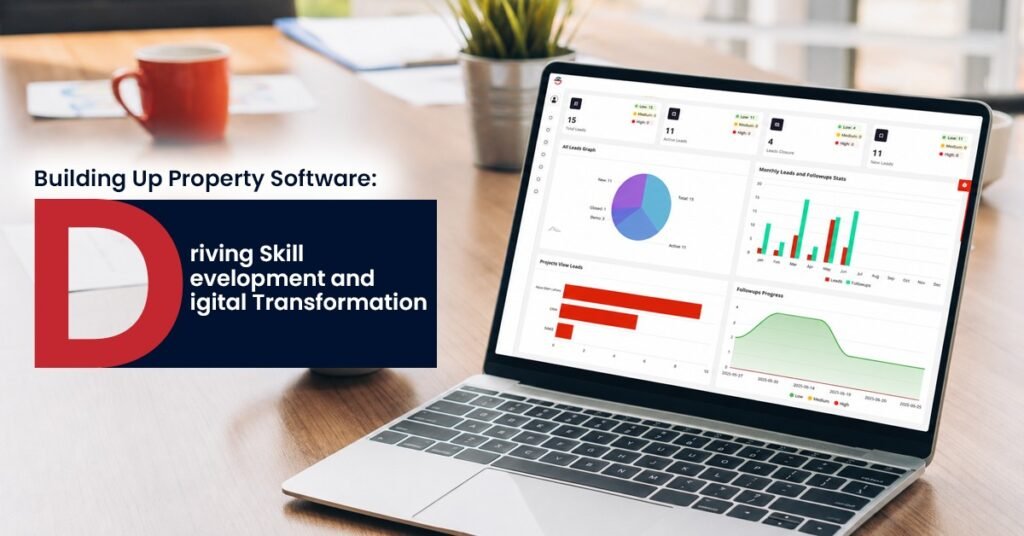
Digital technology is rapidly changing all industries in the world. The same applies to the real estate sector. More and more enterprises are starting to utilize state-of-the-art software to improve operations, and as a result, property management software is becoming an important element in real estate systems today. Besides these changing trends, the development of building and managing property management software requires the development of certain skills among professionals.
In fact, the process of building property software can improve efficiency and also equip professionals with new and relevant skills.
How Property Software is Rising to Prominence in Modern Real Estate
It used to be manual tasks with spreadsheets and paperwork that used to take place in the property management process. But due to the growing and complex nature of operations in the real estate sector, businesses have now shifted towards building efficient software to manage client details, process payments, track properties, and much more.
The property management system enables businesses to centralize operations and also remove inconsistencies in workflow with better clarity. Whether it be housing societies or commercial properties, businesses now require systems and software for large-scale operations.
The Importance of Skill Development in Property Software
The increase in demand for property management software automatically brings a need to hire professionals with the right skills and knowledge of designing, implementing, and managing the systems. Here is why skill development is important when building property software:
1. Technical Skills Development:
Software development calls for knowledge of programming languages, database management systems, cloud computing, and other technology-related expertise to create scalable and safe applications.
2. Industry-Specific Skills:
Apart from technical skills, professionals also get a fair idea about the workings of a real estate firm, about property allocation, billing cycle, clients, etc.
3. Problem-Solving Skills:
Creating the right kind of software helps one understand the needs in the industry and devise appropriate solutions to overcome problems in managing properties.
4. Innovative and Creative thinking:
Developers are always learning and exploring new ways of enhancing software with features like automation, artificial intelligence, mobile compatibility, and a simple user interface to make operations easier.
Essential Features of Modern Property Software:
To meet the ever-increasing demand of the real estate sector, a modern property management system consists of a wide range of features. These are:
Client and Registration Management: You can easily store complete data regarding the client, such as their contact details, important documents, transaction history, etc.
Property and Unit Management: manage all kinds of properties with details like the location of the plot, apartments, shops, or even offices. All properties can be categorized based on type, size, and status.
Billing and Payment Automation: You can efficiently prepare and send out invoices and bills, track payments in real-time, and manage the installment process.
Allocation and Transfer Management: All properties can be assigned to clients along with all relevant documents and also transferred accordingly.
Reporting and Analytics: A property management system offers detailed reports of the financial status, the client's data, and properties of the business.
Benefits for Businesses and Professionals:
Benefits for Businesses:
- Efficiency in Operations
- Error Reduction
- Improved Customer Satisfaction
- Financial Management
- Benefits for Professionals:
- High-Demand Technical Skills
Career Advancement Opportunities
- Real-world exposure
- Experience with New Technologies
The benefits both for the business and the professional are great, making property software a smart investment.
Future of Property Software Development:
Several key trends will drive the property software market:
- Cloud-based Solutions
- AI-driven Automation and Analytics
- Mobile-Friendly Apps
- Improved Data Security
These trends will continue to revolutionize real estate software development and will help you identify opportunities to gain new skills in the sector.
Conclusion:
Building property software is not merely an advancement in technology; rather, it is a stepping stone to gaining expertise in the field and helping the business revolutionize its operations. Since businesses are now heavily dependent on systems and software applications in their operations, the demand for skilled people in the real estate technology sector will grow by leaps and bounds. By investing in a suitable software system along with building new skill sets, businesses and professionals alike can secure their place in this increasingly dynamic and technological world.
FAQs:
1. What is property management software?
Property management software is a type of computer system that helps real estate professionals manage their day-to-day business activities such as tracking properties, clients, and billing processes.
2. Why is skill development important when building property software?
Professionals with relevant skills in technical aspects and the real estate sector are more desirable in the industry to ensure seamless execution.
3. What are the technical skills required for developing property software?
Proficiency in various programming languages, database management, cloud computing, etc are some of the most critical technical skill sets for property software development.
4. How do property software applications benefit businesses?
Property management software helps to increase the efficiency of a business, reduce overall errors, improve customer relationships, and provide complete financial control.
5. What is the future of property software development?
Key future trends include the advancement of mobile applications, artificial intelligence, and cloud-based platforms that would make property management more advanced.